Disaster Island Survival Multi-Disaster Survival Guide
Priority calls when two catastrophes hit the same round.
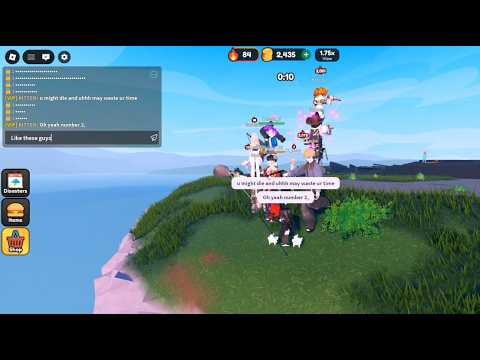
Multi-disaster rounds are where Disaster Island Survival stops feeling like a single puzzle and starts feeling like triage. Limitless Games layers threats—water with fire, wind with flood, lava with debris—so the “correct” tsunami roof might be the wrong answer if flames deny that stairwell. This guide gives you a priority framework, loadout advice, and practice habits for stacked chaos.
Unlock and economy notes: liking the experience has been used to grant Multi-disaster related rewards, and codes on the Codes Hub fund the tools that make dual threats survivable. Redeem via How to Redeem Codes before you grind hard lobbies.
What “multi-disaster” means in practice
You receive (or discover mid-round) more than one active threat. Examples of mental models—not a sealed official list:
- Tsunami or flash flood plus fire
- Tornado plus rising water
- Lava floor pressure plus wind
- Any single disaster plus map collapse that behaves like a second problem
Your job is not to solve both perfectly. Your job is to not die to the faster lethal threat, then manage the slower one.
The priority ladder
Use this order unless the map makes a step impossible:
- Instant displacement killers — funnel pull into voids, sudden lava, collapsing floors under your feet.
- Rising denial — tsunami waterline and heavy floods that erase ground routes.
- Area denial over time — fire lines, lava spread, lingering hazards that shrink safe zones.
- Accuracy hazards — debris, situational projectiles, chaos that punishes standing still.
Example: flood + fire. Get above the water first if the wave will kill you in seconds; then adjust laterally away from flames on that high deck. Example: tornado + flood. Break funnel exposure with cover or grapple, but never “kite” into a beach that is about to submerge.
Decision script you can say out loud
- “What kills me in the next ten seconds?”
- “Does my current ledge still exist after that?”
- “Which tool resets my position?”
- “Where is the next safe polygon on the map?”
Saying it prevents doom-scrolling the entire skybox while your character stands in rising water.
Loadout for stacked rounds
- Grapple: Best universal reset when stairs burn or break. Essential reading: Grapple and Balloon Tips.
- Balloon: Best when ground is invalid (flood/lava) and you need temporary altitude.
- Consumables: Healing or situational gadgets from the trading post matter more when rounds last longer under dual pressure.
- Potions: Mini/Giant from
35KLIKES/75KLIKESare situational—practice before you need them mid-panic.
If you are broke, redeem codes and follow How to Grind Credits. Multi-disaster without traversal tools is a harsh teacher.
Map reading under dual pressure
Scout phase should mark:
- A high point for water/lava.
- A covered point for wind.
- A transition path between them (stairs, hillside, grapple line).
If your high point is a naked spire with no cover, it is a tsunami answer and a tornado liability. Prefer high and structured: rooftop with parapets, cliff with overhang, tower with interior.
Team roles (even pickup groups)
- Caller: names the priority threat and the target structure.
- Pathfinder: takes the first leap so others see the route.
- Trailer: watches the second hazard (fire edge, funnel drift) and calls rotate.
Solo players can still role-stack: call for yourself, path for yourself, trailer-check every few seconds.
Linking single-disaster skills
Multi-disaster is not a separate game mode you memorize in isolation—it is composition:
- Elevation from Survive Tsunami
- Orbit and cover from Survive Tornado
- Economy from How to Grind Credits
- Foundations from Getting Started
If one skill is weak, dual rounds expose it instantly. That is useful feedback, not failure.
Psychological control
Stacked disasters spike heart rate. Players spam jump, waste grapples, and run toward the most cinematic danger. Counter with boredom: pick the ladder above, take one tool action, then reassess. Boring survivors bank Credits; cinematic deaths fund someone else’s montage.
If the lobby itself feels unfair—impossible speeds, repeated intentional grief—swap servers with habits from Survive Hackers so you practice real multi-disaster skills, not exploit chaos.
Practice plan
- Survive ten single tsunami rounds with clean elevation.
- Survive ten tornado rounds without plaza deaths.
- Queue until you hit a multi round; force yourself to speak the decision script.
- Review which threat actually killed you and open that specialty guide again.
- Invest Credits into the tool that would have reset the failed moment.
Common multi-disaster mistakes
- Solving the interesting threat first (chasing the tornado) while water finishes you.
- Climbing into fire because the roof was “the tsunami answer.”
- Using balloon in open wind without a landing plan.
- Spending the entire grapple cooldown on decorative props.
- Never returning to the Guides Hub to patch the weak skill.
Why Limitless Games leans into this chaos
The fantasy of Disaster Island is unpredictable nature plus player improvisation. Multi-disaster rounds are the thesis statement. They also make Shop progression meaningful: tools are not vanity; they are answers to overlapping denial.
Watch the embedded video mid-page for a real stacked-round pace, then queue with a pre-chosen high+cover pair. When the second disaster lands, you already know which threat owns the next ten seconds—and that is most of the fight.
Frequently Asked Questions
Quick answers for Disaster Island Survival players.
What should I prioritize if flood and fire happen together?
Escape the faster lethal threat first—usually rising water—then rotate on high ground away from fire once you are not drowning.
How do I unlock multi-disaster rewards tied to liking the game?
Like the Disaster Island Survival experience on Roblox when the game advertises that reward, then confirm any unlock in your inventory or disaster options.
Which tool is best for multi-disaster rounds?
A grapple is the best general reset. Add a balloon when ground denial from water or lava is common on your maps.
Why do single-disaster guides still matter?
Multi-disaster rounds combine those skills. Weak tsunami elevation or weak tornado kiting shows up immediately when threats stack.
What if I panic and blank?
Use the four-line decision script: ten-second killer, ledge validity, tool reset, next safe polygon. Speak it out loud if needed.
Where do I earn Credits for better multi-disaster gear?
Redeem codes on the Codes Hub and survive rounds. The grind Credits guide explains Shop spending order.