Disaster Island Survival How to Survive Tornadoes
Stay mobile, respect the funnel, and use grapples when the wind relocates.
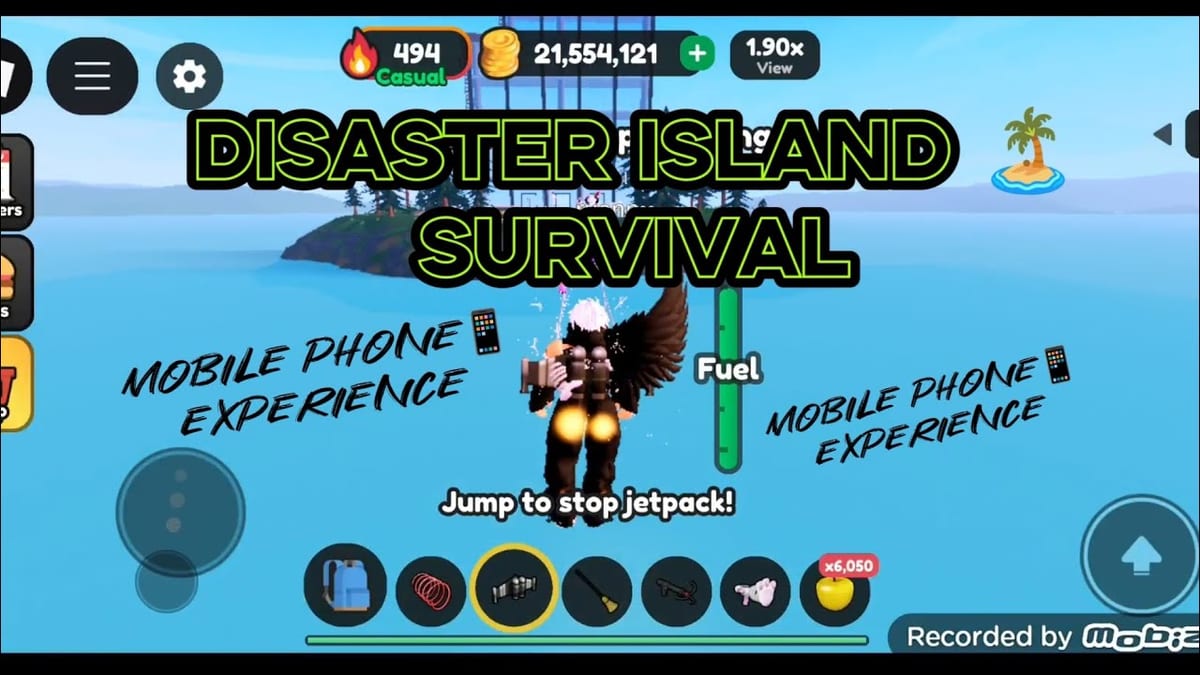
Tornado rounds in Disaster Island Survival are less about sitting on the absolute highest pixel and more about not volunteering for the funnel. Limitless Games’ island mixes classic wind threats with map debris, sudden pulls, and players who panic-sprint in straight lines. This guide covers positioning, grapple usage, when height helps versus when it hurts, and how tornado skills pair with hurricane-like pressure.
New to the game? Read Getting Started. Need movement tech detail? Pair this page with Grapple and Balloon Tips.
What a tornado round asks of you
Unlike tsunami, where elevation is king, tornadoes reward lateral awareness. The funnel relocates. Standing still on an exposed plateau makes you a highlight reel. Your goals:
- Keep eyes on the funnel path.
- Favor structures with side cover and multiple exits.
- Avoid open fields once the tornado is active.
- Use grapples to break bad momentum or reach a safer ledge when the ground becomes junk.
If water or lava is also active, elevation may return as priority one—see Multi-Disaster Survival.
Scout phase for wind threats
During the calm:
- Note sturdy mid-height buildings with interior corners—not only skyscraper tips.
- Mark grapple anchors: crane arms, roof lips, cliff edges.
- Identify death fields: beaches, plazas, flat hills with no props.
- Decide a “orbit path” around the map so you can circle away from the funnel instead of freezing.
A perfect tsunami tower can be a terrible tornado perch if it leaves you silhouetted with nowhere to kite.
Warning phase decisions
When tornado is announced:
- Leave the dead center of open maps immediately.
- Do not chase the funnel for clips. Spectating inside the wind is how Credits disappear.
- Pre-position near your first cover building so the first pull does not catch you mid-sprint across a plaza.
If you own a grapple, keep it hotbar-ready. The mid-article video on this page focuses on movement timing that text cannot fully show.
Survival habits that work
Circle, do not freeze
Move around the threat radius. Freezing feels safe for one second and then the funnel relocates onto your “safe” rock.
Use buildings as windbreaks
Solid walls reduce how often random debris and camera chaos overwhelm you. Break line-of-sight when the funnel surges closer, then reposition.
Grapple as a reset button
When you get tugged toward junk terrain, a clean grapple to a side roof can reset your position. Aim for anchors away from the funnel’s current track. Spam-clicking random props wastes the tool—pick intentional targets. Expand this skill in Grapple and Balloon Tips.
Balloon caution
Balloons shine for floods and lava floors. In pure tornado air, floating can make you a dangling target if wind still influences you. Use balloons when a second disaster denies the ground; otherwise prefer grounded side cover and grapples.
Debris and collapse awareness
Tornadoes shred decorative pieces. If your “safe” gazebo starts disintegrating, leave before the floor does. Live players treat breakables as temporary buffs, not homes. Listen and watch for props launching—path around debris lanes instead of through them.
Tornado versus hurricane tagging
The experience tags mention tornado and hurricane together for a reason: both are wind-family threats. Hurricane-style rounds may feel like broader pressure rather than a single funnel. Translate the same rules—avoid open exposure, keep exits, stay mobile. Exact visuals differ by map and disaster script; your habits should stay flexible.
Credits and preparation
Tornado consistency rises when you can afford a grapple. Redeem codes (75KLIKES, 50KLIKES, 35KLIKES) through How to Redeem Codes, then follow How to Grind Credits until traversal tools are online. Potions can help niche geometry plays but will not cancel a funnel.
Team calls that help
- “Funnel moving east—rotate west warehouse.”
- “Do not stand on the hill.”
- “Grapple to the red crane if you get pulled.”
Short calls beat essays. If chat is toxic or movement looks impossible from other clients, rotate servers using advice in Survive Hackers rather than burning an hour.
Practice drills
- Orbit drill: On any round, practice circling a landmark for thirty seconds without stopping on the landmark itself.
- Anchor drill: Pre-aim three grapple points during scout phase and use the best one under pressure.
- Exit drill: Enter a building and immediately note two exits so you never soft-lock in a corner.
Common tornado deaths
- Posing on the highest spire for screenshots.
- Sprinting in a straight line directly away while the funnel curves into you.
- Panicking into the ocean or off-map voids.
- Saving grapples “for later” until later never arrives.
- Ignoring stacked disasters and treating every round like pure wind.
Link your learning path
After you can kite a funnel without instant death, revisit Survive Tsunami so water rounds stay sharp, then tackle Multi-Disaster Survival where wind plus flood forces hard priority calls. Return to the Guides Hub whenever a new map drops and your old orbit path disappears.
Tornado mastery is calm camera work plus decisive grapples. Keep the funnel in view, keep an exit in mind, and spend Credits on tools that let you reset position when the wind decides your rock was temporary.
Frequently Asked Questions
Quick answers for Disaster Island Survival players.
Is the highest roof always safest in a tornado?
Not always. Extreme exposure can be worse than a mid-height building with cover and exits. Stay mobile and watch the funnel path.
How do grapples help against tornadoes?
A grapple resets bad positioning when you get pulled toward debris or open ground. Aim at solid anchors away from the funnel’s current track.
Should I use a balloon during tornado rounds?
Balloons are better for flood and lava denial. In pure tornado rounds, grounded cover and grapples are usually safer than floating in the open.
What is the difference between tornado and hurricane here?
Both are wind-family threats. Tornadoes often play like a relocating funnel; hurricane pressure can feel broader. Use mobility and cover for both.
Why do I keep dying on hills?
Open plateaus lack side cover. Rotate to structures with walls and multiple exits instead of camping the scenic peak.
Where should I go after learning tornado basics?
Read Multi-Disaster Survival for stacked threats, and Grapple and Balloon Tips to sharpen the movement tech this guide relies on.