Disaster Island Survival How to Survive Sky and Weather Disasters
Read the sky, pick cover or open ground, and keep moving when meteors and storms rewrite the map.
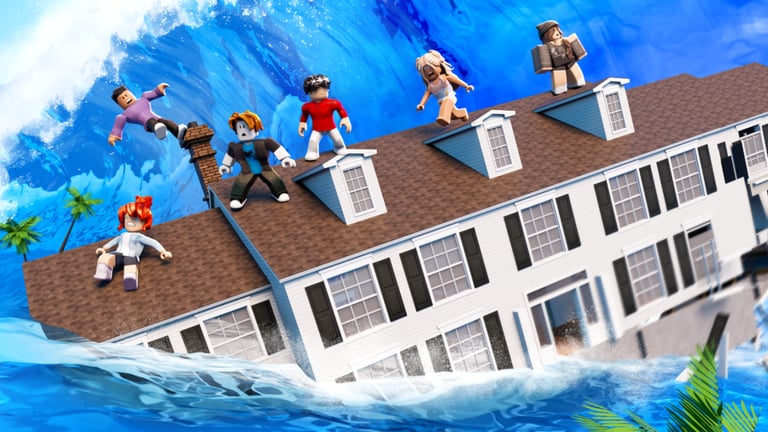
Not every wipe in Disaster Island Survival is water or wind. Limitless Games’ disaster pool also throws meteor showers, blizzards, sandstorms, thunderstorms, and other sky-driven chaos that punish roof campers and AFK lobby tourists. This guide groups those “look up” threats so you can scout cover, keep a movement plan, and stack habits with the rest of the wiki.
Redeem active codes first if you still need Credits for balloons or grapples. New players should skim Getting Started before specializing.
Meteor shower: keep moving, watch shadows
Meteors are about mobility and reading impact cues. Standing still on a “safe” roof invites a direct hit. Treat the round like mobile cover:
- Scout two open lanes at spawn—never a dead-end attic.
- Watch the sky and ground shadows for incoming impacts.
- Strafe between solid platforms; do not hug the same chimney for sixty seconds.
- Use vehicles only for short repositioning, then exit before the next volley.
Structure destruction can delete your favorite ledge mid-round. Always keep a sideways escape. Pair with Multi-Disaster Survival when meteors overlap floods or fire.
Blizzard: find shelter, then verify exits
Blizzards punish exposed plateaus and slow visibility. Priorities:
- Reach an enclosed or leeward structure early
- Prefer corners and interiors with a known door back out
- Do not bury yourself in a single-room shed with no second exit
- If visibility collapses, commit to a landmark you already named during scout
Snow maps like Slippery Slopes and North Pole amplify blizzard pain—traction and sight both drop. Review Safe Spots and NEW MAP Update when unfamiliar stages enter rotation.
Sandstorm: dodge debris, avoid glass vanity
Sandstorms combine low visibility with flying props. Habits that work:
- Get indoors or behind heavy geometry
- Avoid window-heavy atriums that feel stylish and die loud
- Keep camera awareness for debris lanes the way you would for tornado junk—see Survive Tornado
- Leave if the building starts shredding; sandstorm shelter is temporary
Thunderstorm: height is not always your friend
Lightning and storm pressure flip the usual “always roof” instinct. On thunderstorm-style rounds:
- Prefer mid-height cover over the absolute tallest metal spire
- Stay mobile if the storm chases open ground
- Do not AFK on crane tips “for the view”
- Combine with flood logic only when water is also present—then elevation returns as priority one
Egg Hunt sessions already taught players that thunderstorms can shred Trailer Park layouts—survive first, collect second (Egg Hunt 2026).
Scout checklist for sky and weather rounds
- Name a cover building and an open strafe lane.
- Mark whether the map is wood-heavy (burns later) or metal-heavy (lightning fantasy).
- Confirm balloon/grapple readiness for when cover fails—Grapple and Balloon Tips.
- Refuse pier camping; weather still loves coastal tourists.
Tools that help
Balloons are weaker against meteors than against floods, but they still reclaim height after a structure collapses. Grapples restore routes when stairs vanish under debris. Potions from 75KLIKES and 35KLIKES change hitboxes—practice before panic (Presents and potions guidance in the Items hub). Credits planning: How to Grind Credits.
Overlaps you will see
- Meteor + tornado: keep lateral exits; never tunnel-vision the sky.
- Blizzard + flood: shelter first, then re-check waterline elevation—Survive Tsunami.
- Sandstorm + fire: leave shredding interiors early—Survive Fire and Lava.
- Thunderstorm + hurricane: mid cover beats vanity rooftops—Survive Hurricane.
Mistakes that cause repeat wipes
- AFK on the highest roof during meteors.
- Entering blizzard interiors with no exit plan.
- Chasing kills or emotes in sandstorm particles.
- Spending all Credits on cosmetics before a single traversal tool.
- Ignoring the Guides Hub after dying to the same sky threat three times.
Practice drills
- Drill A: On any round, name cover + strafe lane in the first ten seconds.
- Drill B: Survive one meteor-like round without standing still for more than five seconds.
- Drill C: After redeeming codes, force one grapple reposition when debris deletes a stairwell.
Where to go next
Master water with tsunami/hurricane guides, wind with tornado, heat with fire/lava, then return here when the sky starts lying. Sky and weather mastery is attention mastery—once you stop freezing on rooftops, these rounds become streak fuel instead of rage quits. See also Survival Streaks.
Watch the mid-article gameplay video for mixed-disaster pacing, then queue with cover and a strafe lane already chosen.
Frequently Asked Questions
Quick answers for Disaster Island Survival players.
How do I survive meteor showers in Disaster Island Survival?
Keep moving, watch sky and shadow cues, and maintain two open lanes. Do not AFK on one roof.
Should I go indoors for blizzards and sandstorms?
Yes if the structure has exits. Weak sheds and glass atriums are temporary; leave when they shred.
Are rooftops safe in thunderstorms?
Not always. Prefer mid-height cover over the tallest metal spire, and stay ready to relocate.
Which gear helps most for sky disasters?
Grapples for broken routes and balloons when structures collapse. Redeem codes, then buy traversal before cosmetics.
What if meteors stack with a tsunami?
Solve the threat under your feet or over your head in order of immediacy. Read Multi-Disaster Survival for stacked priority.
Where do streaks fit after weather rounds?
Clean weather habits protect long streaks. Open the Survival Streaks guide for badge and mindset tips.